Cleaners W2: What It Means, Why It Matters, and How It Shapes Modern Cleaning Work

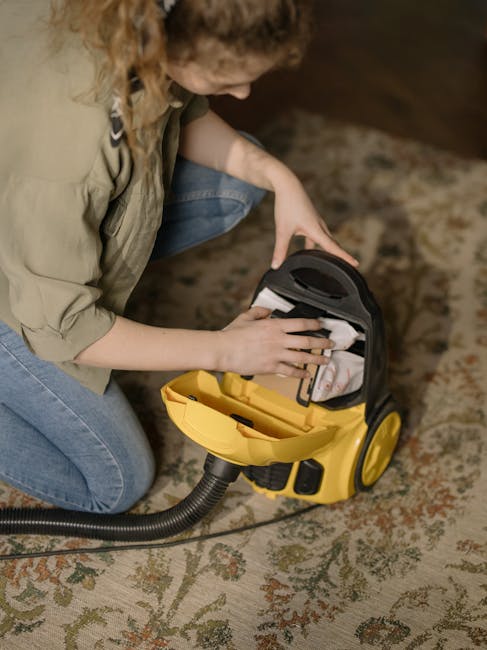
Cleaning employee working in a structured W-2 job settingThe world of Cleaners W2 has become an important topic in the cleaning industry because it touches pay, reporting, employment structure, and the everyday realities of workers and businesses alike. For many people, the term may sound technical at first, but it carries practical meaning in workplaces where cleaners are employed on payroll rather than treated as independent contractors. In simple terms, Cleaners W2 refers to cleaners who are classified as employees and receive a W-2 tax form at the end of the year. That distinction affects how they are paid, how their income is reported, and what responsibilities the employer must meet.

Understanding the role of W2 cleaners is valuable for anyone involved in janitorial services, building maintenance, residential cleaning companies, commercial cleaning teams, or facility management. It is also useful for workers who want a clearer picture of what employee status means. Unlike self-employed cleaners, W-2 employees usually have taxes withheld automatically, receive an official payroll record, and may be eligible for workplace benefits depending on the employer. These details can influence financial planning, job stability, and long-term career choices in a meaningful way.

As the cleaning industry continues to evolve, the subject of Cleaners W2 has become more relevant than ever. More businesses are examining labor practices, compliance obligations, and workforce retention strategies. At the same time, many cleaners are comparing employee status with independent contractor arrangements to see which option better suits their goals. Because of this, the conversation around cleaning employee W2 roles is not just about paperwork. It is about structure, accountability, and how the work itself is organized in a changing economy.

What Cleaners W2 Means in Everyday Employment

When people talk about Cleaners W2, they are referring to cleaners who are formally employed by a company and documented through the W-2 tax system. This means the employer is responsible for withholding income taxes, Social Security, and Medicare contributions from the employee’s paycheck. At year-end, the worker receives a W-2 form summarizing total earnings and deductions. This setup differs from 1099 contractor arrangements, where the worker typically handles tax obligations independently.

For many cleaning professionals, being a W-2 employee brings a level of predictability that can be appealing. Pay periods are often regular, the scope of work is defined by the employer, and there is usually a clearer chain of supervision. In the cleaning field, where tasks can range from routine dusting and vacuuming to specialized sanitation or post-construction cleanup, having a structured employment relationship can reduce confusion. A W2 cleaner often knows what is expected, when shifts begin, and how performance is measured.

The employee model also helps companies maintain standards. A cleaners W2 workforce can be trained consistently, monitored more closely, and integrated into a larger operational system. That can be especially important in commercial buildings, healthcare environments, schools, hospitality settings, and industrial facilities where cleanliness is not just about appearance but also about safety and compliance. For employers, a properly managed W-2 team can support better quality control and smoother scheduling.

Why Businesses Choose W-2 Cleaning Staff

Employers often prefer W2 cleaning staff because employee status offers more control over scheduling, work standards, and team coordination. With cleaners on payroll, managers can assign tasks more directly and provide ongoing training that aligns with company procedures. This is especially useful when multiple locations, recurring service contracts, or time-sensitive jobs are involved. Businesses that rely on dependable service often see value in a workforce that is integrated into the company rather than operating as outside vendors.

Another reason companies may choose the W-2 model is consistency. A business that hires cleaners W2 can build a stable team with familiarity across properties, client expectations, and cleaning protocols. That stability often improves service quality over time. Employees become more efficient when they repeatedly work in the same environments and understand the patterns of each site. This can be particularly important in offices, retail stores, apartment communities, and healthcare facilities where attention to detail matters every day.

W-2 cleaner receiving training in a commercial facilityThe W-2 model can also support accountability. When cleaners are employees, companies generally have stronger oversight over attendance, performance reviews, and safety training. This can reduce errors and help maintain a professional standard. For organizations that value brand reputation, a cleaner W2 workforce can be a major advantage because workers are seen as part of the company’s identity and service promise. In industries where trust matters, that connection can carry real weight.

How W-2 Status Affects Cleaners Financially

From a worker’s perspective, one of the biggest differences in Cleaners W2 employment is the way income and taxes are managed. Payroll taxes are usually withheld automatically, which can make budgeting and tax filing simpler. Many workers appreciate not having to estimate quarterly taxes or handle self-employment tax calculations on their own. Instead, the process is more streamlined, and the end-of-year tax document provides a clear summary of earnings.

Financially, W-2 employment may also make it easier for cleaners to demonstrate income when applying for housing, loans, or other financial services. Because wages are reported through an official payroll system, income records are often more straightforward to verify. For workers who need a consistent earnings history, W2 cleaner jobs can provide documentation that supports personal financial goals. This is one reason many people view employee status as more stable than contractor status.

Benefits can also influence the financial picture. Depending on the employer, W-2 cleaners may be eligible for health insurance, paid time off, retirement contributions, sick leave, holiday pay, or bonuses. Not every company offers the same package, but even limited benefits can make a substantial difference over time. In a labor market where compensation is evaluated in broader terms than hourly wages alone, cleaning jobs W2 may offer meaningful value beyond the paycheck itself.

Differences Between Cleaners W2 and Independent Contractors

One of the most common topics in cleaning employment is the difference between Cleaners W2 and independent contractor arrangements. A W-2 employee works under an employer-employee relationship, while a contractor usually operates as a separate business entity. The distinction affects taxes, work control, equipment responsibility, and sometimes even the daily experience of the job. Understanding this difference is essential for both employers and workers.

W-2 cleaners are typically scheduled by the employer, trained according to company procedures, and assigned tasks based on operational needs. Contractors, by contrast, may have more autonomy in how they complete work, but they also usually bear more financial risk. They may provide their own supplies, manage their own insurance, and handle taxes independently. For some people, that independence is attractive. For others, the structured nature of W2 cleaners is more suitable.

Cleaners W2 arrangements can be especially beneficial for workers who prefer predictable routines and supervised environments. By comparison, contractors may be better suited to entrepreneurs who want to build a business and manage multiple clients. Each model has pros and cons, but the correct classification matters for legal compliance. Businesses that misclassify workers can face penalties, so the distinction is not only practical but also regulatory.

Professional cleaner supporting a scheduled workplace cleaning teamIn many cleaning operations, the choice between employee and contractor status is influenced by the type of service being delivered. A large office building with recurring nightly service may be a natural fit for cleaners W2, while a one-time specialist project could be handled by a contractor. The deciding factors often include supervision level, schedule consistency, training requirements, and whether the company wants to maintain direct oversight. These variables shape the employment model in ways that are both operational and strategic.

Workplace Expectations for W-2 Cleaning Teams

Cleaners who work under the W-2 model are generally expected to meet defined workplace standards. That often includes punctuality, consistent performance, adherence to cleaning checklists, and proper use of equipment and chemicals. Because the employer has more direct oversight, workers may also be evaluated on customer service, attention to detail, and team cooperation. In practical terms, W2 cleaning staff are usually part of a larger system built around repeatable results.

Training is another important aspect of the job. A company employing cleaners W2 may provide instruction on sanitation methods, safety procedures, equipment handling, and site-specific protocols. This can be valuable for workers who are new to the industry or who want to advance into more specialized roles. Good training supports performance and reduces the risk of accidents or service errors. It also helps create a more professional atmosphere in workplaces where cleanliness must meet exacting standards.

The Role of Cleaners W2 in Different Industries

The phrase Cleaners W2 applies across a wide range of industries, and its importance changes depending on the work environment. In offices, cleaners may focus on trash removal, restroom sanitation, floor care, and surface disinfection. In healthcare settings, the work can be more sensitive, with strict hygiene expectations and detailed procedures. In hospitality, cleanliness directly influences guest experience, making reliable staffing essential. Across these settings, the W-2 model offers a framework for consistency.

In schools and educational facilities, W2 cleaners contribute to healthy learning environments by maintaining desks, hallways, cafeterias, gyms, and restrooms. In retail and shopping centers, they help shape the customer experience through visible upkeep and cleanliness. In industrial spaces, the work may involve heavy-duty floor maintenance, debris removal, or safety-related cleanup. Regardless of setting, having a reliable cleaning staff is critical because hygiene and presentation influence how a facility is perceived and how well it functions.

Some industries also require specialized compliance. For example, cleaning teams may need to follow strict chemical handling practices, infection-control procedures, or environmental standards. A cleaners W2 workforce can be easier to train and supervise in those contexts because the employer can standardize methods across the team. That consistency supports both safety and service quality. It is one reason W-2 employment remains a common structure in professional cleaning operations.

Benefits of Working as a Cleaners W2 Employee

There are several practical advantages to working as a cleaners W2 employee. One of the most obvious is income stability. Regular pay schedules can make it easier to manage monthly expenses, save money, and plan for the future. When a paycheck arrives on a predictable cycle, workers often feel more secure about their finances. That stability can be especially meaningful in jobs where hours may vary by season or by client demand.

Another benefit is access to employer-managed administrative support. Payroll taxes, earnings statements, and some compliance matters are handled through the company’s system, which reduces the burden on workers. This can make the job less stressful for people who prefer to focus on the work itself rather than business administration. For many employees, that simplicity is one of the most attractive parts of the Cleaners W2 model.

Job structure can also help with career development. When a company invests in training and internal standards, cleaners may have clearer opportunities to move into lead roles, supervisory positions, or specialized cleaning assignments. A W2 cleaner job may therefore serve as more than just an entry-level role. It can become the foundation for long-term employment, skill development, and advancement in the service industry.

Common Misunderstandings About Cleaners W2

One misconception is that Cleaners W2 jobs are always less flexible than contractor work. While it is true that employees usually follow schedules set by the employer, flexibility can still exist in the form of shift options, part-time arrangements, or rotating assignments. In practice, many companies offer a variety of scheduling patterns to meet workforce and client needs. So the W-2 model does not automatically mean rigid or inflexible work.

Another misunderstanding is that independent contractor status always leads to higher take-home pay. That is not always the case. While contractors may set their own rates in some circumstances, they also handle more expenses, tax obligations, and business risk. A w2 cleaner may earn a lower hourly rate on paper but receive benefits or enjoy more reliable hours, which can balance the overall package. Looking only at gross pay can give an incomplete picture of compensation.

Some people also assume that W-2 employment is only for large companies. In reality, small cleaning businesses often use the employee model as well, especially when they want to build a dependable team. Whether a company serves residential clients, commercial properties, or specialty cleaning markets, the cleaners W2 structure can fit many business sizes. What matters most is how the company organizes its services and what level of oversight it wants to maintain.

How Employers Can Support W-2 Cleaning Staff

Businesses that employ Cleaners W2 workers can improve retention and performance by focusing on communication, training, and recognition. Clear expectations help cleaners understand what success looks like. When employees know what standards they are expected to meet, they are better positioned to do the job well. Consistent communication also reduces misunderstandings and supports a healthier workplace culture.

Training should not be treated as a one-time event. Because cleaning equipment, products, and safety protocols can change over time, ongoing instruction is essential. Employers that regularly update their W2 cleaning teams tend to see stronger quality control and fewer mistakes. Continued learning can also help employees feel valued, which can improve morale and reduce turnover. A workforce that feels supported is often more productive and engaged.

Recognition matters too. Even simple acknowledgment of strong performance can make a difference in a labor-intensive field. Cleaners often work behind the scenes, and their efforts may go unnoticed unless employers make a point of celebrating consistent reliability. For cleaners W2, appreciation can reinforce professional pride and encourage long-term commitment. In a competitive labor market, that kind of workplace culture can be a strong advantage.

Why Cleaners W2 Remains Relevant in a Changing Economy

Employee cleaner representing a stable W-2 arrangementThe cleaning industry has changed significantly over time, but Cleaners W2 remains a relevant and practical employment model. As businesses place more emphasis on compliance, safety, and quality assurance, the value of direct employment has become even more visible. The model offers structure in a field where consistency and trust are essential. For workers, it provides a clearer employment path and a more predictable financial framework.

Economic shifts also influence hiring preferences. During periods of labor shortages or increased demand for sanitation services, companies may turn to W-2 workers to build stable teams quickly. At the same time, workers may look for jobs that offer security and benefits rather than purely flexible arrangements. This mutual interest keeps w2 cleaners important in both large and small organizations. It is a model that continues to serve practical needs on both sides of the employment relationship.

The topic also remains relevant because public expectations around cleanliness have grown. Customers and clients often notice details that may once have gone unremarked. That makes professional cleaning more visible and more valuable. When a business relies on a dependable cleaners W2 team, it is investing in a service that supports image, health, and operational success. The employment model, then, is tied not only to payroll but to the quality of the environment people experience every day.

Final Thoughts on Cleaners W2

Cleaners W2 team maintaining a safe and clean environmentThe concept of Cleaners W2 is more than a payroll classification. It reflects how the cleaning industry organizes labor, maintains standards, and supports workers through a clearer employment relationship. For businesses, the model can improve oversight, consistency, and service quality. For workers, it can offer predictability, possible benefits, and a more straightforward financial structure. Because of these advantages, the W-2 model continues to play a major role in professional cleaning.

As the demand for reliable cleaning services grows across offices, schools, healthcare facilities, hospitality spaces, and other environments, the need for well-managed teams remains strong. A W2 cleaner is often part of a larger operational system built around trust, training, and dependable performance. That makes the role valuable not only to employers but also to the clients and communities they serve. In this sense, Cleaners W2 represents both a work arrangement and a standard of professionalism.

For readers exploring the topic, the key takeaway is simple: the W-2 model in cleaning is about stability, accountability, and structure. Whether viewed from the perspective of payroll, employment law, workplace organization, or career development, it remains an important framework in the modern service economy. And as expectations for clean, safe, and well-maintained spaces continue to rise, cleaners W2 will remain central to how the industry delivers results.


Services

Cleaners W2

A clear, SEO-friendly overview of Cleaners W2, covering employee status, benefits, business use, and industry relevance.

Excellent on Google
4.9 (10)

What Our Customers Say

quote

Great service from start to finish. Booking was straightforward, I could choose a time that suited my schedule, and the price was fair. The cleaner arrived on time, was personable, and did a highly professional job in no time at all. Definitely rebook.

quote

The crew was prompt, friendly, and provided clear explanations. They delivered high-quality work for a price that exceeded my expectations.

quote

Top-quality cleaning service, very pleased--thank you!

quote

The team was incredibly helpful and efficient. The cleaners did a fantastic job making everything spotless and bright once more! All my questions were answered quickly right from the start, and the staff was super accommodating. Plus, the price was perfect! Absolutely no complaints.

quote

The service exceeded my expectations! Courteous and professional cleaners who did a detailed job. Booking was easy and efficient.

quote

I got my full security deposit back because W2 Cleaner handled the move-out cleaning so well. Landlord was delighted. Super reliable!

quote

The team demonstrated top-notch professionalism and friendliness. They arrived promptly and revived my old carpet, leaving it looking much better than I'd hoped.

quote

The service from W2 Cleaner was top-notch. The cleaning team was quick yet thorough, ensuring my 2-bedroom flat was spotless for the end-of-tenancy inspection. Highly recommend them.

quote

They did a fantastic job! The carpet looks brand new, and I appreciated how attentive they were to my needs. Would definitely recommend.

quote

When my renovation ended, W2 Cleaners Services came in for a post-construction clean. The dust was heavy, but they left the entire place sparkling clean. Very impressed.

Get In Touch With Us.

Please fill out the form below to send us an email and we will get back to you as soon as possible.