Health and Safety Policy for Cleaners W2
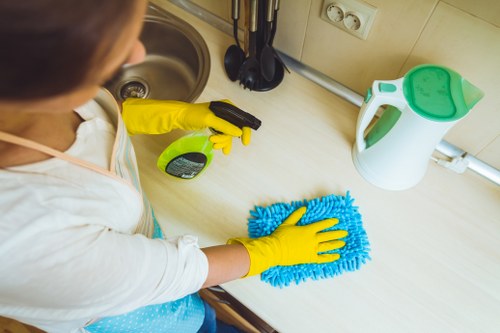 Health and safety for cleaners in W2 is essential to maintaining safe, efficient, and high-quality cleaning services. This policy sets out the standards expected from all cleaning staff, supervisors, and anyone involved in day-to-day cleaning operations. It applies to routine domestic cleaning, commercial cleaning, deep cleaning, and specialised tasks where risks may be present. The aim is to reduce accidents, prevent illness, and promote a safe working environment through clear responsibilities, proper equipment use, and consistent good practice.
Every cleaning service in W2 must be delivered with care and attention to potential hazards. Cleaning work may involve exposure to chemicals, wet floors, sharp objects, electrical items, lifting strain, and repetitive movements. A strong safety culture ensures these risks are identified early and managed effectively. Cleaners should always work in a manner that protects themselves, other workers, clients, and the public.
 Risk assessment is a central part of this policy. Before work begins, cleaners should assess the environment for obvious dangers such as broken glass, unstable furniture, blocked exits, poor lighting, or unsafe surfaces. If a hazard cannot be removed immediately, it should be reported and controlled using suitable precautions. When cleaning professionals understand the work area in advance, they can choose the safest approach and avoid unnecessary exposure to danger.
All W2 cleaners must use equipment correctly and follow manufacturer instructions for cleaning products and machinery. This includes reading labels, wearing the right protective equipment, and never mixing chemicals unless specifically approved for use together. Gloves, aprons, eye protection, and non-slip footwear should be used where needed. Equipment must be checked before use and stored safely after each job to prevent damage or injury.
The safe handling of substances is particularly important in cleaning and hygiene work. Cleaning agents may irritate skin, damage surfaces, or create harmful fumes if used incorrectly. Staff should always dilute products as directed, keep containers sealed, and avoid transferring chemicals into unlabelled bottles. Spills must be cleaned immediately, and any product that causes irritation or an adverse reaction should be removed from service until reviewed. Proper ventilation should be maintained whenever possible.
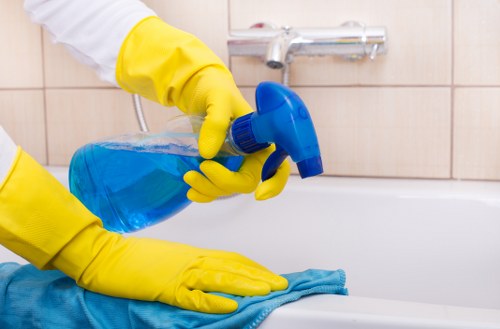 Manual handling is another key concern in the cleaning trade. Lifting buckets, moving furniture, carrying supplies, and reaching into awkward spaces can all cause strain if not managed carefully. Cleaners should bend their knees when lifting, keep loads close to the body, and ask for assistance with heavy or bulky items. Where possible, tasks should be broken into smaller stages to reduce fatigue and lower the chance of musculoskeletal injury.
In the middle of the working day, attention should remain on safety procedures and communication. If a cleaner notices a hazard such as a leak, exposed wire, or broken fixture, the area should be made safe if possible and the issue reported immediately. Signs or barriers should be used to warn others about wet floors or temporary obstacles. Good communication between team members helps prevent accidents and ensures that everyone understands their role in keeping the workplace safe.
Training is essential for every professional cleaner. Staff should receive instruction on safe chemical use, correct manual handling, emergency response, infection control, and safe operation of tools and machinery. Training should be repeated when processes change or when new equipment is introduced. A well-trained cleaner is better prepared to recognise risk, use equipment properly, and respond calmly if something unexpected happens.
Hygiene standards also support health and safety. Cleaners should wash their hands regularly, avoid touching their face when working with chemicals or contaminated surfaces, and change gloves when necessary. Uniforms or work clothing should be kept clean and replaced if damaged. In jobs involving waste removal, bodily fluids, or contaminated materials, extra precautions should be taken to avoid cross-contamination and maintain a sanitary working environment.
 Emergency readiness is part of a responsible cleaning health policy. All staff should know how to respond to incidents such as slips, cuts, chemical exposure, fire alarms, or accidental damage. First aid kits and spill kits should be available where required, and cleaners should understand the basic steps to take until further help is provided. Reporting incidents promptly helps prevent repeat problems and supports continuous improvement in workplace safety.
Personal wellbeing is also important. Cleaning work can be physically demanding, so breaks, hydration, and realistic workloads help reduce tiredness and improve concentration. Fatigue can increase the likelihood of mistakes, so tasks should be planned with safe pacing in mind. Managers should monitor workloads and encourage staff to raise concerns if work becomes too strenuous or unsafe.
 This policy applies to all types of cleaning services delivered by the organisation and should be reviewed regularly to ensure it remains effective and relevant. Compliance is expected from everyone involved, and failure to follow safety procedures may lead to corrective action. By working together and following this policy, cleaners can provide a reliable service while protecting health, reducing risk, and maintaining a safe environment for all.