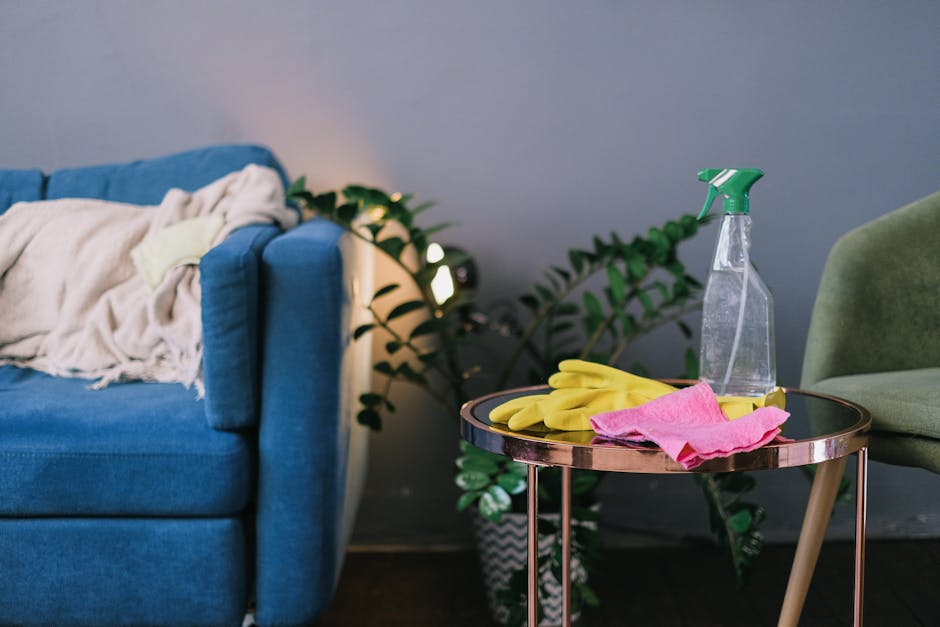
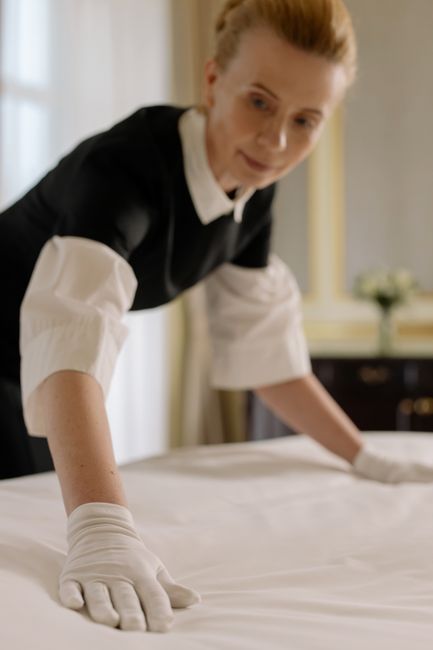
Queensway flat cleaning insider tips for Bayswater renters
If you rent near Queensway and Bayswater, you already know the drill: narrow hallways, compact kitchens, a bit of street dust at the windows, and a tenancy checkout that can feel more stressful than moving itself. The good news? Queensway flat cleaning insider tips for Bayswater renters are less about fancy products and more about knowing where landlords, letting agents, and inventory clerks actually look. Get those details right, and the whole job becomes a lot easier.
In this guide, you'll find practical, local, no-nonsense advice for cleaning a flat properly without wasting time on the wrong things. We'll cover how the process works, what matters most before check-out, which cleaning jobs are worth doing yourself, and when it makes sense to bring in support such as end of tenancy cleaning or deep cleaning. There's also a checklist, a comparison table, and a few insider habits that can make a big difference. Simple, really. Not always easy, but simple.
Table of Contents
- Why Queensway flat cleaning insider tips for Bayswater renters Matters
- How Queensway flat cleaning insider tips for Bayswater renters Works
- Key Benefits and Practical Advantages
- Who This Is For and When It Makes Sense
- Step-by-Step Guidance
- Expert Tips for Better Results
- Common Mistakes to Avoid
- Tools, Resources and Recommendations
- Law, Compliance, Standards, or Best Practice
- Options, Methods, or Comparison Table
- Case Study or Real-World Example
- Practical Checklist
- Conclusion
- Frequently Asked Questions
Why Queensway flat cleaning insider tips for Bayswater renters Matters
Cleaning a rented flat in this part of West London is not just about making the place look nice for the next person. It is about protecting your deposit, reducing friction with the letting agent, and avoiding those irritating end-of-tenancy disputes that tend to start with a tiny mark no one noticed until checkout day. Bayswater properties also often have a mix of older finishes, busy footfall, and compact layouts, which means grime can hide in plain sight.
There's another reason it matters: different flats age differently. A modern studio near Queensway can collect dust fast because of ventilation and traffic. A period conversion near Bayswater may have delicate paintwork, older fittings, or awkward nooks where cleaning needs a lighter touch. That means copy-paste cleaning advice, the kind you find everywhere, often falls short.
Insider tips matter because they focus on what actually gets inspected. That includes skirting boards, extractor fans, taps, behind radiators, the oven seal, and the corners of the bathroom where limescale has quietly made itself at home. Not glamorous. Very real.
If you are trying to work out whether to do it yourself or hand parts of the job over, the best starting point is understanding the flat cleaning standard expected at move-out. For more structured support, it helps to look at one-off cleaning for a single big reset, or domestic cleaning if you need a regular upkeep plan before the final sprint.
How Queensway flat cleaning insider tips for Bayswater renters Works
The process is less mysterious than it sounds. Start by thinking like an inventory clerk rather than a tenant. They are not looking for a perfectly styled home. They are checking for cleanliness, evidence of wear, and whether every area has been reached properly. The trick is to clean in a way that matches that mindset.
Here is the basic flow most renters should follow:
- Walk the flat slowly and note problem spots, from sticky kitchen cupboards to dusty light fittings.
- Prioritise high-risk rooms first: kitchen, bathroom, hallway, and any carpeted bedroom or living area.
- Work top to bottom so dust does not fall onto already cleaned surfaces.
- Tackle built-up grime early, because older stains need soaking time rather than hard scrubbing alone.
- Inspect under natural light if you can. Bayswater flats often look clean under warm evening bulbs and far less clean the next morning by the window. Annoying, but true.
There is also a practical split between surface cleaning and detail cleaning. Surface cleaning removes visible dirt quickly. Detail cleaning gets into the bits that people miss: plugs, handles, limescale rings, grease around the hob, and the back edges of sinks and baths. A flat can look decent from the doorway and still fail an inspection because the details were skipped.
If the flat has carpets, rugs, upholstered chairs, or a sofa that has absorbed everyday life, it may help to include specialised services such as carpet cleaning, rug cleaning, or upholstery cleaning. Those items are often what quietly tip a checkout from "fine" to "needs attention".
Key Benefits and Practical Advantages
The obvious benefit is a cleaner flat. The less obvious benefit is peace of mind. When the kitchen smells fresh, the bathroom fittings shine, and the windows are clear, the whole checkout process feels less like a gamble. You're not walking into that final inspection with crossed fingers and a vague hope for mercy.
Here are the practical advantages of using a targeted approach:
- Better deposit protection by focusing on the parts that are most often checked.
- Less wasted effort because you spend time where it matters, not polishing areas no one will inspect closely.
- Faster turnaround when moving out, especially if you are juggling keys, removals, and paperwork.
- Lower stress because the work is broken into manageable stages.
- Cleaner presentation for viewings, mid-tenancy inspections, or a handover to new occupants.
There's also a small but useful psychological effect. A flat that is properly cleaned feels more under control, even when moving day is a mess. Let's face it, moving is never elegant. Boxes everywhere, one missing charger, maybe a kettle packed in the wrong van. A clean flat gives you one solid win.
For areas that need a deeper reset, pairing a targeted tidy-up with oven cleaning or window cleaning can make the whole property look noticeably fresher without having to scrub every inch twice.
Who This Is For and When It Makes Sense
This advice is for renters in and around Queensway and Bayswater who want a practical way to clean a flat before moving out, before an inspection, or after a busy stretch of normal living. It is especially useful if you live in a smaller London property where dirt builds up quickly because there is not much spare space to keep things pristine.
It also makes sense if you are:
- preparing for an end-of-tenancy checkout;
- trying to get on top of a flat that has built up grime over winter;
- staying in place but need a thorough seasonal reset;
- moving into a new rental and want a proper fresh start;
- dealing with a flat that has carpets, a tricky oven, or awkward bathroom limescale.
Truth be told, not every tenant needs a full professional service every time. Some flats only need a careful deep clean in the right places. Others, especially with pets, heavy cooking, or older fixtures, benefit from help from a cleaning company that can handle multiple surfaces without cutting corners.
If you are a landlord, a property manager, or a tenant who has inherited a flat in less-than-perfect condition, the same logic applies. The cleaning strategy changes a bit, but the goal stays the same: make the property look properly cared for, not merely wiped over.
Step-by-Step Guidance
If you want a reliable system, use this order. It keeps you from chasing dust around the flat all day.
1. Open windows and clear the clutter
Start by airing the flat out. Fresh air helps with lingering smells, especially in kitchens and bedrooms. Then remove clutter from surfaces, floors, and shower ledges. You cannot clean properly around a pile of toiletries, charging cables, and random receipts. Nobody can. Not really.
2. Strip the soft furnishings
Take off bedding, wash removable covers, and gather throws, cushion covers, and smaller textiles. If there is a sofa with visible marks or a rug that has lost its colour, this is the point to assess whether specialist cleaning would save you time. For rented flats with mixed surfaces, a combination of sofa cleaning and carpets cleaner support may be more efficient than repeated DIY attempts.
3. Clean the kitchen like an inspector will
The kitchen usually decides the tone of the whole inspection. Wipe cupboard fronts, handles, kickboards, and the tops of units. Degrease the hob and extractor area. Clean the inside of the oven, the seals, trays, and the glass if you can. Don't forget behind the bin. That tiny hidden patch often catches crumbs and smells long after the rest of the room looks fine.
4. Move into the bathroom detail work
Bathroom cleaning is about limescale, soap residue, mould-prone edges, and shine. Focus on taps, shower screens, plugholes, toilet bases, sink rims, grout lines, and the underside of the toilet seat. If you are dealing with recurring scale, use a product suitable for the surface and give it time to work. Scrubbing too soon usually just makes your arm ache. Been there.
5. Dust and wipe from the top down
Work on shelves, ledges, picture rails, light switches, and skirting boards. Then move to furniture, mirrors, and lower surfaces. Top-down cleaning matters because dust falls. It sounds obvious, but it saves double work and a fair bit of frustration.
6. Finish with floors and final checks
Vacuum thoroughly, including under furniture where practical. Mop hard floors carefully, but do not leave them wet. Then stand at the doorway and scan the flat like it is the first time you have ever seen it. Is anything still sticky, dusty, smelly, or streaky? That final pass is where a good clean becomes a proper one.
For hard floors that look dull even after mopping, a more specific finish may help. A service such as hard floor cleaning is often more effective than using the same household spray again and again.
Expert Tips for Better Results
Here is where the insider part really pays off. These are the small adjustments that make a normal clean look much more thorough.
- Let cleaning products dwell for a few minutes on grease and limescale before wiping. Immediate scrubbing is often less effective.
- Use microfibre cloths for shiny surfaces. They reduce streaks on mirrors, taps, and glass without much fuss.
- Check touchpoints twice: handles, switches, rails, drawer fronts, and appliance doors collect fingerprints fast.
- Clean in daylight where possible. Evening lighting hides dust better than we like to admit.
- Lift small items first rather than wiping around them. The picture is always clearer once the clutter is gone.
- Deal with odours, not just stains. A flat can look fine and still smell of old cooking oil or damp towels.
A very practical Bayswater-specific tip: if you're in a flat facing a busy road, window ledges and frames often collect a fine film of grit quicker than you expect. That means a quick wipe is rarely enough. You may need a proper clean of frames, not just glass. The same goes for bathroom vents near the window side of the flat; dust gathers there and never looks dramatic until the light hits it at 8 a.m.
If you are short on time, split the job. One evening for kitchen and bathroom, next morning for bedrooms and floors. That rhythm works better than a rushed all-at-once panic clean. And yes, we have all done the panic clean. Usually with a takeaway coffee cooling nearby.
Common Mistakes to Avoid
Most cleaning problems in rented flats come from rushing or cleaning in the wrong order. A few classic mistakes show up again and again.
- Leaving the oven until the last minute. Oven grease is stubborn, and last-minute panic rarely helps.
- Ignoring edges and corners. Inventory checks often reveal dust where the eye naturally skips.
- Using the wrong product on delicate finishes. Some surfaces do not like abrasive pads or strong bleach.
- Forgetting inside appliances. Fridge shelves, microwave splashes, and extractor filters matter more than people think.
- Cleaning only what is visible. Under sinks, behind taps, and around toilet bases are common failure points.
- Drying too slowly. Wet floors, streaky mirrors, and damp cloth smells can undo a lot of effort.
Another mistake is assuming the cheapest approach is always best. Sometimes a few hours of extra labour, or a focused service like oven cleaner support, saves you far more time than repeatedly attacking baked-on grease with a sponge and sheer determination.
And yes, there is such a thing as over-cleaning a surface with the wrong chemical mix. More isn't always better. Sometimes it is just wetter and oddly sticky.
Tools, Resources and Recommendations
You do not need a van full of equipment. In most flats, a sensible kit beats an expensive one.
Useful tools to have ready
- microfibre cloths in a few colours if you like to separate tasks;
- a vacuum with a crevice attachment;
- a mop suitable for your floor type;
- a non-scratch sponge;
- a bucket;
- rubber gloves;
- a gentle descaler and a kitchen degreaser;
- a small brush for tracks, vents, and awkward edges.
Where specialist help can make sense
For many renters, the smartest move is to mix DIY cleaning with targeted support. For example, if the flat is otherwise tidy but the carpets are tired, you might only need carpet cleaning. If the property needs a broader refresh after a long tenancy, deep cleaning can be the better fit. And if there are stubborn marks on seating, a focused upholstery cleaning approach can revive the room without replacing anything.
There is also a strong argument for planning ahead. If you know the checkout date already, avoid leaving everything for the final evening. A calm schedule often gives cleaner results than frantic effort. Also, your back will thank you. Probably not immediately, but soon enough.
Law, Compliance, Standards, or Best Practice
For renters in the UK, the most important practical point is that tenancy agreements often expect the property to be returned in a similar state of cleanliness to the start of the tenancy, allowing for fair wear and tear. The exact wording varies, so it is always sensible to read your agreement carefully rather than guessing. If you are unsure, check your inventory report too, because that is usually what the final comparison is based on.
Best practice is straightforward:
- clean to a consistent standard throughout the flat;
- match the original condition where possible;
- keep proof of any professional cleaning or receipts if required;
- avoid damage from harsh products or rough scrubbing;
- make sure any cleaning work is safe for the surfaces involved.
Health and safety matters as well. Slips, strong chemicals, and ladder use can all cause avoidable problems. That is why a reputable provider should work in line with sensible safety procedures. If you are comparing providers, it can help to read their health and safety policy and insurance and safety information before you book.
There is a quieter but important standard here too: honesty. If a stain will not shift, note it. If an appliance is beyond normal cleaning, say so. Landlords and tenants usually handle these matters better when the facts are clear instead of dressed up. Better that than a tense surprise at handover.
Options, Methods, or Comparison Table
Different flats need different approaches. Here is a simple comparison to help you decide what suits your situation.
| Approach | Best for | Pros | Watch-outs |
|---|---|---|---|
| DIY flat clean | Light mess, regular upkeep, small spaces | Low cost, flexible timing, good for quick wins | Easy to miss detail areas, can take longer than expected |
| Targeted specialist clean | Ovens, carpets, upholstery, windows, hard floors | Focused results on problem areas, less effort for you | May need to coordinate multiple tasks |
| Full end-of-tenancy service | Move-outs, busy households, deeper grime, time pressure | Most comprehensive, smoother checkout prep | Higher upfront cost than doing it yourself |
If your flat is mostly fine but has a few obvious problem spots, targeted help is often the sweet spot. On the other hand, if you are moving out after a long tenancy and the place has seen a lot of life, a fuller service such as house cleaning or end of tenancy cleaning may be the calmer option. No drama, just a cleaner handover.
Case Study or Real-World Example
Picture a typical Bayswater flat: one bedroom, a small bathroom, a galley kitchen, and a living room that has doubled as a home office for the last year and a bit. The tenant has kept things reasonably tidy, but the oven has baked on some stubborn residue, the carpet near the sofa has a few traffic marks, and the bathroom mirror is streaky enough to catch your eye from the hallway.
Instead of trying to deep-clean everything in one evening, the tenant splits the job over two days. First night: kitchen, oven, sink, extractor, and cupboard fronts. Second morning: bathroom, mirrors, skirting boards, vacuuming, and window frames. They then book a targeted window cleaning and carpet refresh, because the visible difference is biggest there. The result is not perfection in the magazine sense. It is something better: a flat that looks clearly cared for.
That kind of approach works because it respects reality. Most rented flats do not need a showroom finish. They need consistency, attention to detail, and a smart use of time. The checkout becomes less of a battle, more of a tidy finish. Which, honestly, is what most people want on moving day.
Practical Checklist
Use this quick checklist before handing back the keys.
- all clutter removed from shelves, drawers, and floors;
- kitchen surfaces degreased and wiped;
- oven, hob, and extractor cleaned;
- bathroom taps, sink, toilet, and shower cleaned and dried;
- mirrors and glass streak-free;
- skirting boards, switches, handles, and ledges dusted;
- carpets vacuumed thoroughly;
- hard floors mopped and fully dry;
- bins emptied and cleaned;
- windows, frames, and sills cleaned where accessible;
- soft furnishings checked for stains or marks;
- final walkthrough done in daylight if possible;
- keys, meter readings, and any required paperwork ready.
If you can tick those off without rushing, you are in a strong position. And if a couple of items need specialist handling, that is fine too. It is better to be realistic than heroic for no reason.
Get a free quote today and see how much you can save.
Conclusion
Queensway flat cleaning insider tips for Bayswater renters come down to one principle: clean with the inspection in mind, not just the eye. Focus on the room details, use the right order, and pay extra attention to the areas that most tenants overlook. That alone removes a lot of pressure.
If you need a broader refresh, the right combination of planned effort and targeted support can make the whole process smoother. Whether it is carpets, windows, upholstery, floors, or a stubborn oven, tackling the real pain points is what saves time and protects your sanity. To be fair, moving is tiring enough already.
Take it one section at a time, trust the process, and don't panic if the flat isn't perfect at the start. A careful clean, done properly, goes a long way. One final glance, one last wipe, and suddenly it all feels manageable.
Frequently Asked Questions
What are the most important areas to clean in a Bayswater rental flat?
The kitchen, bathroom, floors, window sills, skirting boards, and any visible soft furnishings usually matter most. Those are the places landlords and inventory clerks tend to inspect closely.
Do I need professional end-of-tenancy cleaning for a flat near Queensway?
Not always. If the flat is lightly used and you have time, a thorough DIY clean may be enough. If the property has stubborn grease, stained carpets, or multiple problem areas, professional help can be worth it.
How early should I start cleaning before moving out?
Ideally, start a few days before the final handover. That gives you time to deal with stubborn areas like the oven, bathroom limescale, and any marks that need a second pass.
What cleaning mistakes cause the most tenant disputes?
Common issues include dirty ovens, limescale in bathrooms, missed dust on skirting boards, streaky windows, and carpets that have not been properly vacuumed or cleaned.
Is it worth cleaning carpets in a rented flat?
Yes, especially if they show traffic marks or odours. A cleaner carpet can change the whole feel of the flat, and it is often one of the first things people notice.
What should I do about a stubborn oven that won't come clean?
Give it time with the right product, clean shelves and trays separately, and focus on the glass, seals, and corners. If it is still stubborn, a specialist oven service may be more efficient than repeated scrubbing.
Can I use bleach on everything?
Not really. Bleach is useful in some areas, but it is not suitable for every surface. Always check compatibility first, especially on delicate finishes, coloured grout, and natural materials.
How do I make the flat smell fresh without covering up dirt?
Remove the source of odours first: bins, drains, fridge residue, damp textiles, and kitchen grease. Freshness lasts much longer when it comes from actual cleaning rather than perfume-style masking.
What if the property has older fittings or period details?
Use a gentler approach and avoid abrasive pads on delicate surfaces. Older properties in Bayswater often need careful cleaning rather than aggressive scrubbing, which can cause damage.
Are windows really that important during checkout?
Yes, they often are. Clean glass, frames, and sills make the whole flat feel brighter and better kept, especially in smaller London properties where natural light matters a lot.
Should I keep proof of professional cleaning?
If your tenancy agreement requires professional work or if you have paid for it, keep the receipt or confirmation. It is a sensible bit of backup if anything comes up later.
What is the smartest thing to outsource first?
Usually the most stubborn or time-heavy areas: oven, carpets, upholstery, windows, or hard floors. Those tasks often benefit most from specialist equipment and experience.