Pet Stain Odour Removal in W2
If you live or work in W2 and you are dealing with a stubborn pet accident, you already know how quickly a small spill can become a lasting problem. A mark on the carpet, a lingering smell in the hallway, or a patch of upholstery that no one wants to sit on can affect the comfort of your whole home or business. Pet Stain Odour Removal in W2 is about more than making a surface look cleaner; it is about removing the hidden residue that keeps bringing the smell back. Whether the issue is from a puppy in a flat near Hyde Park, an older cat accident in a converted townhouse in Bayswater, or repeat marking in a rental property close to Paddington, the right treatment can make a noticeable difference.
Local customers often want a service that is fast, careful, and practical. They need someone who understands mixed flooring, shared entrances, limited parking, and the pressures of busy household routines or tenant move-outs. That is exactly why a local specialist matters. With the right inspection, cleaning method, and deodorising approach, pet stains can be addressed properly instead of being masked for a few days and then returning. If you are looking for a reliable way to restore freshness and comfort, request a free quote and find out how a tailored clean can help.
In W2, properties range from compact apartments and mansion blocks to family homes and commercial spaces that welcome pets or have occasional animal-related accidents. Each setting needs a slightly different approach. A soft wool carpet in a period property near Lancaster Gate should not be treated the same way as a synthetic office rug, and a leather sofa needs different care from a fabric armchair. A good service takes those differences seriously and aims for a result that is both effective and safe for the materials in your property.
Why pet stain and odour issues need proper treatment
Pet messes are often more complex than they appear. A visible stain may be only part of the problem. Liquids can soak through the surface pile of a carpet, into the underlay, and sometimes even into the subfloor beneath. If the source is not fully treated, the smell can return when the weather changes, the heating is turned on, or the affected area becomes damp again. This is why a surface wipe or a quick spray may not solve the issue in the long term.
Odours associated with pets can come from urine, vomit, faecal residue, wet fur, or repeated marking in the same spot. The smell may be strongest in closed rooms, stairwells, or under furniture where airflow is poor. In flats around W2, especially those with smaller rooms and hard-to-ventilate spaces, these smells can spread quickly and feel much more intrusive than in a larger house. Pet stain odour removal is designed to target both the stain and the source of the smell, not just the surface appearance.
Another important factor is material sensitivity. Many homes in W2 contain natural fibres, rugs, area carpets, cushions, and upholstery that can be damaged by harsh chemicals or excessive moisture. The right treatment should be chosen according to the item and the nature of the contamination. This helps protect the fabric, reduces drying time, and improves the chances of a successful result without unnecessary risk.
What our local service covers in W2
Our pet stain odour removal service is designed for the needs of customers across W2, including Bayswater, Paddington, Lancaster Gate, and the edges of Notting Hill and Hyde Park. We work with homeowners, tenants, landlords, letting agents, office managers, and property managers who need a dependable clean after an accident or recurring pet issue. The service can be used for one small incident or multiple problem areas across a property.
Typical areas and items treated include carpets, rugs, upholstery, mattresses, stairs, landings, pet beds, soft furnishings, and selected hard floor edges where odour can collect. Depending on the situation, treatment may involve stain breakdown, odour neutralisation, deep extraction, targeted spot cleaning, and drying support. The aim is to remove the cause of the smell as far as possible and leave the space fresher and more comfortable to use.
For commercial customers in W2, this can also be useful in reception areas, serviced apartments, managed common spaces, pet-friendly workplaces, and hospitality settings where cleanliness matters to occupants and visitors. In those environments, the appearance of the space and the smell of the air both influence how the property is experienced. A professional clean helps maintain standards without making a fuss or causing unnecessary disruption.
Common pet-related problems we help with
- Dog urine stains on carpets and rugs
- Cat urine odours in corners, under furniture, and along skirting edges
- Pet vomit marks on upholstery or bedding
- Repeated marking in the same spot
- Accidental soiling after illness or stress
- Lingering smells after a previous cleaning attempt
- Fresh or old stains that have set into fibres
How the cleaning process works
Every property and stain is different, so the first step is always to assess the affected area carefully. This includes looking at the type of surface, how long the issue has been present, whether the stain is still damp or has already dried, and whether the odour seems to be limited to the top layer or has reached deeper materials. This early inspection helps determine the safest and most effective method.
Once the issue is identified, the cleaning process may involve pre-treatment to break down the stain, controlled application of cleaning solutions, extraction to lift residue, and odour treatment to reduce the smell at the source. If the affected area is inside a busy home, we also take care to work in a way that allows the room to be used again as quickly as possible. Proper pet odour removal is not just about products; it is about using the right sequence and technique.
In many cases, drying matters just as much as cleaning. If too much moisture is left behind, it can encourage mustiness or leave fabrics feeling rough. For that reason, professional treatment focuses on measured application and efficient extraction. Some items may be treated on-site, while others may need more focused work depending on the level of contamination and the material involved. The goal is a clean result that feels practical for everyday use.
What makes a professional approach different?
A professional method is usually more effective because it is based on experience with different fibres, odour types, and contamination levels. It also takes into account the hidden layers that domestic sprays and supermarket products often miss. Instead of simply covering the smell, the treatment aims to reduce the source. For customers in W2, that matters because many properties have valuable or delicate furnishings that deserve careful handling.
Why W2 customers choose a local specialist
There are practical reasons local residents and businesses in W2 often prefer a nearby specialist for this kind of work. Access can be challenging in busy streets around Bayswater and Paddington, and parking may be limited or time-sensitive. Some buildings require advance entry arrangements, lift access, or coordination with concierge teams. A local team is more likely to understand these realities and plan accordingly, which can help reduce delays and make the appointment run more smoothly.
W2 also includes a wide mix of property types. Basement flats, mansion blocks, period conversions, modern apartments, townhouses, and serviced accommodation all present different cleaning considerations. A blanket approach is rarely the best option. Local experience helps when working around stair-only access, narrow hallways, shared entrances, and delicate common areas where care and discretion are important. For landlords and managing agents, that can be especially helpful when time is tight between tenancies.
Another advantage is responsiveness. Pet stains often need attention quickly, especially if the smell is becoming stronger or guests are due to arrive. A local provider can usually respond more efficiently than a distant one, helping to reduce the time you spend living with the problem. If you are preparing a property for viewings, move-in, or ongoing occupancy, it makes sense to book a service that understands the pace of local demand.
Suitable for homes and commercial spaces
Residential customers often need help after puppy training accidents, older pet issues, or one-off incidents that have soaked into carpets and furniture. Commercial customers may need the service for managed apartments, pet-friendly accommodation, offices with soft furnishings, or reception areas where a clean smell matters. In both cases, the service should feel discreet, effective, and convenient.
Examples of local situations where the service helps
- An apartment owner in Bayswater dealing with repeated cat marking near a window
- A family near Hyde Park needing a carpet freshen-up after a puppy accident
- A landlord in Paddington preparing a rental property after tenants with pets moved out
- A serviced apartment manager near Lancaster Gate needing a quick turnaround between guests
- An office with occasional pet visits requiring upholstery and odour treatment
What is included in the service
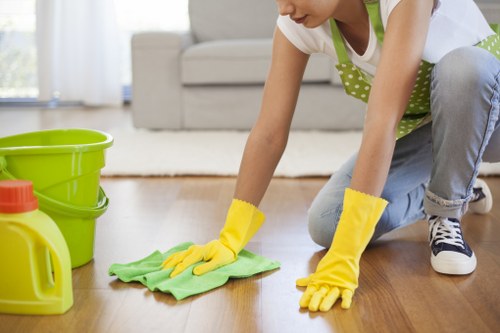
Although each job is tailored, customers usually want to know what a proper pet stain and odour treatment includes. The service is built around restoring cleanliness, improving the smell of the room, and protecting the condition of the affected items. A good result depends on combining stain removal methods with odour-focused treatment, especially where the issue has been present for a while.
Typical inclusions may involve:
- Inspection of the affected area and fabric type
- Identification of the likely source of the odour
- Pre-treatment of visible stains
- Deep cleaning or extraction where suitable
- Targeted odour neutralisation
- Attention to edges, seams, and hidden contamination points
- Advice on drying and aftercare
Customers often ask whether the smell will be completely gone straight away. The honest answer is that results depend on the age of the stain, the material, and how deeply the contamination has spread. Fresh incidents are usually easier to treat than old, repeated marking. However, a proper professional process gives you a far better chance of a noticeable improvement than quick domestic cleaning alone. If the source has reached deep into underlay or padding, the treatment may need to be more intensive and may require a follow-up solution based on the condition of the item.
Another important part of the service is practical advice. You may be told how to help the treated area dry properly, how to reduce the risk of the smell returning, and how to care for fabrics after the appointment. This is especially useful in W2 flats and shared homes where ventilation can be limited or where rooms need to be returned to use quickly.
How to prepare before the appointment
- Clear small items, toys, and pet accessories from the area if possible.
- Point out all affected spots, even if some are less visible.
- Let the team know whether the stain is fresh, old, or repeated.
- Move fragile items away from the treatment area.
- Arrange access details in advance if the building has entry procedures.
- Keep pets in a separate room if that is safe and practical.
- If parking or unloading is difficult, mention it before the visit.
Pricing factors to consider
Because every pet stain and odour issue is different, it is more helpful to think in terms of pricing factors rather than fixed numbers. The condition of the fabric, the size of the treated area, how long the stain has been there, and whether the problem is isolated or repeated can all affect the amount of work required. Customers in W2 often appreciate clear explanations of what influences the quotation before deciding how to proceed.
Factors that may affect the final quote include the number of affected areas, the type of flooring or upholstery, the depth of the contamination, access to the property, drying needs, and whether additional deodorising treatment is required. A small fresh stain on a carpet is generally less involved than a recurring pet odour that has settled into multiple rooms or into soft furnishings. Stairs, landings, and heavy-use zones can also take more attention than simple open-plan areas.
For landlords, agents, and busy householders, a clear quote is useful because it helps you plan ahead without surprises. It also allows you to decide whether you want treatment for one room, several items, or a whole-property refresh. If you are comparing options, it is sensible to ask what the service includes, how long it may take, and whether the area needs time to dry before being used again. Request a free quote to get a better idea of what your specific job involves.
When urgent treatment is a good idea
- The odour is spreading into nearby rooms
- The stain is fresh and may set if left untreated
- A tenancy end date or guest arrival is approaching
- The property has limited airflow and the smell is becoming stronger
- Repeated marking is affecting the same area
Areas covered around W2
Our pet stain odour removal in W2 is relevant for customers across the wider local area, including central parts of Bayswater, Paddington, Lancaster Gate, and the streets close to Hyde Park. It is also useful for neighbouring communities and nearby addresses where homes and businesses share the same kinds of access issues, property layouts, and time pressures. In practice, that means a service built for local living rather than a one-size-fits-all approach.
Because W2 includes both residential and commercial spaces, the service is suitable for owners, tenants, managing agents, landlords, and workplace managers who need a reliable response. The local setting matters here: some buildings have concierge desks, some require careful coordination around shared entrances, and some are easier to access during specific times of day. A local team that understands these patterns can help make the appointment less disruptive.
If you are unsure whether your property falls within the area covered, it is still worth enquiring. The best way to find out is to share the type of property, the nature of the stain or smell, and any access details that might matter. That way, you can get a practical answer based on the job itself rather than guessing.
Useful for these property types
- Flats and apartments
- Converted townhouses
- Family homes
- Short-let and serviced accommodation
- Offices with fabric seating
- Shared residential common areas
Frequently asked questions
Can all pet odours be removed?
Most pet-related smells can be improved significantly when treated correctly, but the final outcome depends on the material, the age of the contamination, and how deeply it has spread. Fresh accidents are generally easier than old, repeated ones. A professional inspection helps determine what is realistically achievable.
Will the cleaning damage my carpet or sofa?
The aim is to use a suitable method for the material being treated. Wool, synthetic fibres, delicate upholstery, and hard-wearing fabrics all need different handling. The right approach reduces the risk of damage and helps preserve the condition of your furnishings.
How long will it take to dry?
Drying time varies based on the fabric type, the amount of moisture used, the airflow in the room, and the severity of the stain. In W2 flats with limited ventilation, it may take longer than in a more open space. You can usually speed this up by improving airflow where possible.
Do I need to move furniture before you arrive?
Not always. Light items may be moved before treatment, but larger pieces are often best left in place unless they directly cover the affected area. If access is tight or parking is limited, it helps to mention that in advance so arrangements can be made smoothly.
Is this service suitable for landlords and letting agents?
Yes. It is often requested between tenancies, after pet damage, or when a property needs to be freshened before viewings or new occupants move in. It is also helpful for managing agents and property managers who need practical solutions for occupied or vacant properties.
Can you treat more than one room?
Yes, multiple affected areas can often be treated during the same appointment, depending on time, access, and the condition of the surfaces. This is common in homes where pets have access to several rooms or in properties where the smell has spread beyond the original stain.
Why the right cleaning approach matters for local properties
W2 properties often combine charm with challenges. Period layouts, compact room sizes, shared entrances, and valuable furnishings make careful cleaning especially important. A fast but unsuitable solution can create new problems, such as fabric wear, moisture retention, or odour returning after a few days. A well-planned service helps avoid those issues by matching the treatment to the property and the contamination.
This is one reason many customers prefer a specialist rather than trying to solve a persistent issue themselves. Over-the-counter sprays can temporarily mask the problem, but they do not always address the deeper layers where odour lives. When the source is removed properly, the room feels more comfortable again and the space becomes easier to live in, work in, or let out.
For pet owners, that improvement is often about everyday wellbeing. For landlords and commercial property managers, it can help protect presentation and reduce complaints. Either way, the benefit is similar: a cleaner, fresher environment with less stress attached to the problem. If you are ready to deal with a stubborn pet stain properly, book your service now and take the first step toward restoring the room.
What customers usually value most
- A local team that understands W2 access and property types
- Careful treatment of carpets and upholstery
- Attention to both stains and smells
- Clear communication and practical advice
- A service that fits around busy home or business schedules
Contact us today to discuss your pet stain or odour issue in W2 and arrange a suitable appointment. Whether the problem is in a single room or across several areas, a tailored treatment can make your home or workplace feel cleaner, fresher, and easier to use again.